
Moisture-Proofing Your Bathroom for Winter: Ventilation & Material Tips
Cold weather forces homeowners to close windows, run hot showers longer, and heat their homes more frequently. This combination traps humid air indoors especially in bathrooms, where moisture is already high.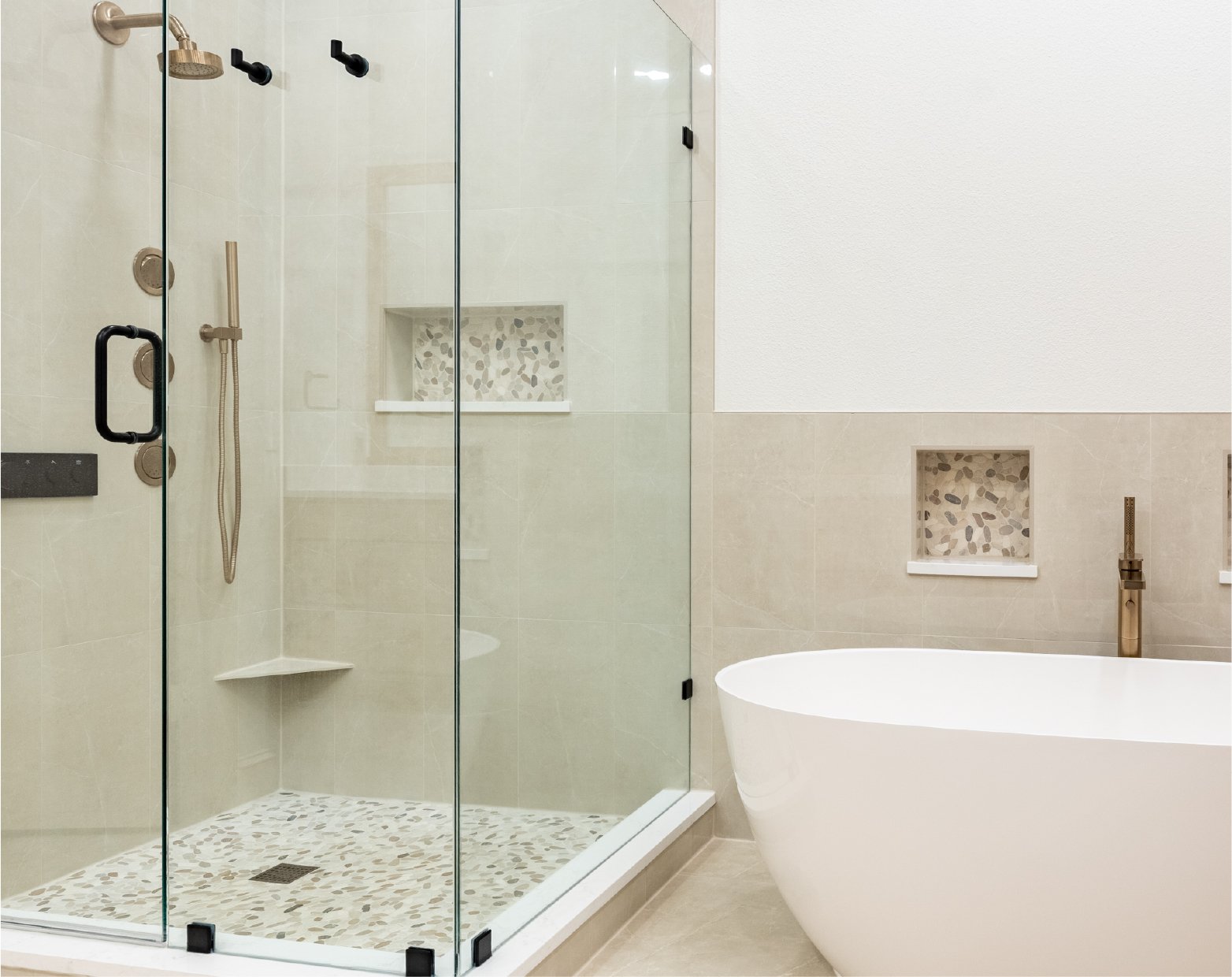
Without proper ventilation and moisture-resistant materials, winter can lead to:
- Fogged windows & mirrors
- Peeling paint
- Mold and mildew growth
- Damaged drywall
- Musty odors
- Premature wear on cabinetry and finishes
The good news? There are smart remodeling choices that can help prevent these issues.
Upgrade Your Bathroom Ventilation System
Install a High-Performance Exhaust Fan
Modern fans move air more efficiently and quietly than older models. When remodeling, look for:
- CFM rating appropriate for bathroom size
- Humidity-sensing technology to automatically turn on when needed
- Low sone rating (quiet operation)
- Energy-efficient options with built-in LED lighting
Add Direct Venting to the Outdoors
Proper venting routes warm, moist air out of the home, not into the attic—a common source of mold problems in winter.
Consider a Heat Recovery Ventilator (HRV)
In colder climates, HRVs can exchange stale, humid air with fresh, dry outdoor air while maintaining indoor warmth.
Choose Moisture-Resistant Materials During a Remodel
Moisture-Resistant Drywall
These panels are designed to resist mold growth and stand up to humidity better than standard drywall.
Cement Backer Board Behind Tile
Essential for shower walls and floors, this material won’t degrade or absorb water like regular drywall.
Porcelain or Ceramic Tile
Tile is naturally water-resistant and ideal for winter because it pairs beautifully with heated flooring systems.
Quartz Countertops
Unlike natural stone, quartz is nonporous and won’t absorb moisture or require seasonal sealing.
PVC or Waterproof Composite Trim
Wood trim can swell or warp during humid winter months. Synthetic trim stays straight and pristine.
Seal and Protect All Vulnerable Surfaces
Re-Caulk Wet Areas
Winter is a great time to refresh the caulk around tubs, showers, vanities, and toilets to prevent water intrusion.
Use Water-Resistant Paint
Look for bathroom-rated, mildew-resistant formulas. These reduce peeling and bubbling when warm moist air builds up.
Seal Grout to Prevent Moisture Absorption
Grout is porous without proper sealing, winter moisture can seep in and lead to discoloration or mildew.
Reduce Humidity with Smart Features
Heated Flooring
Warm tile floors dry faster, reducing lingering moisture and making mornings more comfortable.
Anti-Fog Vanity Mirrors
Built-in heating elements help maintain visibility and reduce dripping moisture.
Smart Humidity Sensors
Paired with a modern fan, they run only when needed—making them both effective and energy-efficient.
Everyday Habits That Make a Big Difference in Winter
Simple changes help maintain a dry, healthy bathroom:
- Keep the exhaust fan running 10–15 minutes after showers
- Crack the door during showers to improve airflow
- Use moisture-wicking towels and wash mats frequently
- Avoid drying wet laundry in the bathroom
- Keep clutter off counters to prevent trapped moisture
When is It Time to Call a Professional?
If you notice recurring mold, peeling finishes, or water damage even after making basic improvements, it may be time for a remodel designed to address long-term moisture concerns. Bath Tune-Up can help:
- Improve ventilation
- Replace moisture-damaged materials
- Choose mold-resistant finishes
- Rebuild or re-tile problem areas properly
Create a Bathroom Built for Winter
Moisture-proofing isn’t just about avoiding mold, it's about creating a healthier, longer-lasting, and more comfortable bathroom. Winter is an ideal time to review your space and invest in upgrades that protect your home year-round.